What is Hatha Yoga?
A classical yogic path of balance, awareness, and inner steadiness
Hatha Yoga is a traditional yogic system designed to bring balance between body, breath, and mind. Rather than chasing flexibility or fitness alone, Hatha Yoga prepares the practitioner for inner stability, clarity, and deeper awareness.
The Meaning of “Ha” and “Tha”
In yogic philosophy, Ha represents the solar energy — activity, warmth, effort.
That represents the lunar energy — calmness, coolness, receptivity.
Hatha Yoga is the practice of balancing these opposing forces within us, creating steadiness in both body and mind.
The word Haṭha comes from Sanskrit:
Ha — Sun, representing active, outward energy (prāṇa)
Tha — Moon, representing receptive, inward energy (apāna)


What Hatha Yoga Is — and What It Is Not
A slow, intentional practice
Rooted in classical yogic texts
Breath-led movement
Focused on awareness and alignment
Designed to prepare the body for meditation
What Hatha Yoga Is
What Hatha Yoga Is Not
A fast-paced workout
A performance-based practice
About pushing or forcing the body
Only about physical flexibility
Posture-Centric





More Than Asana
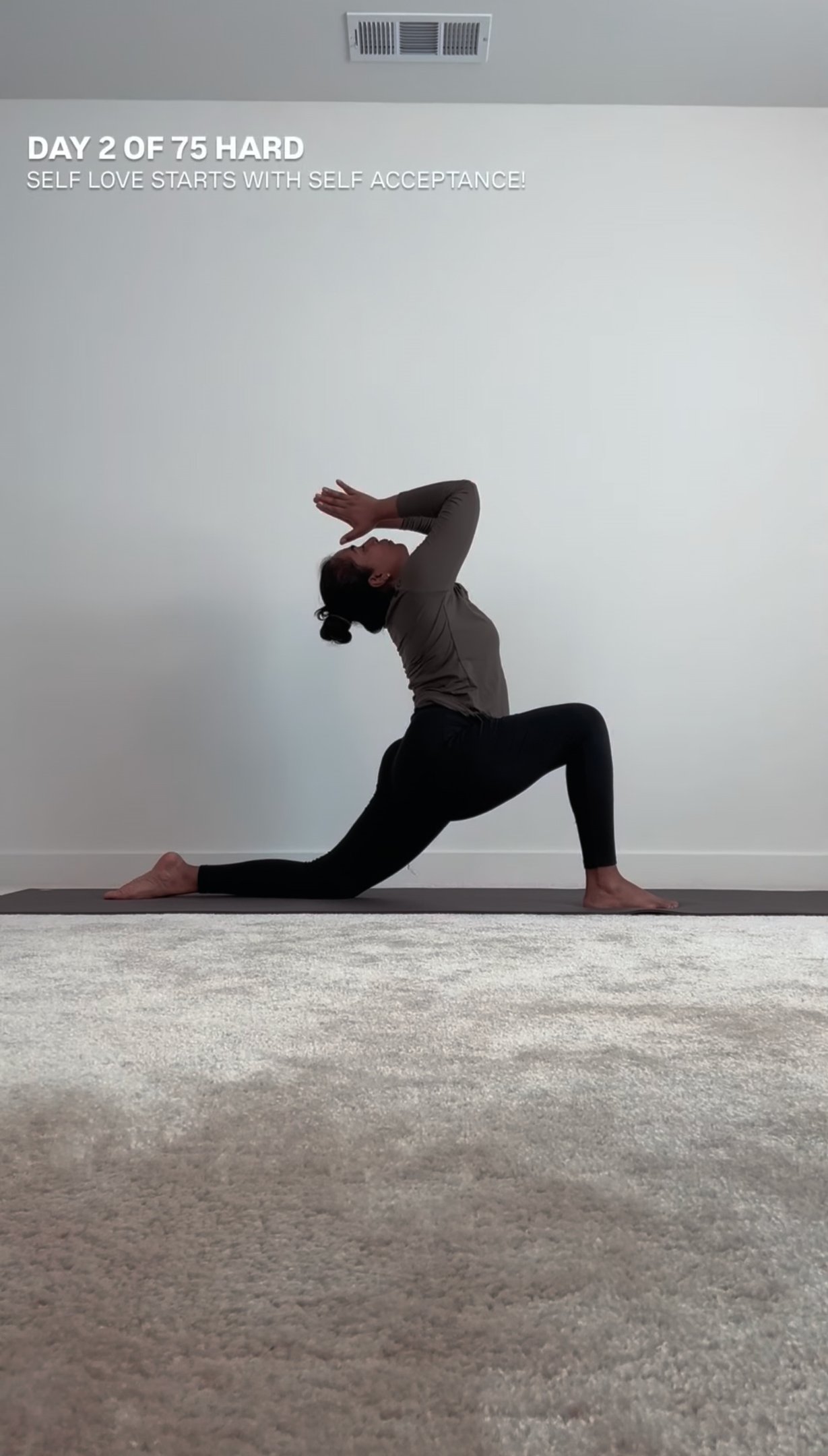
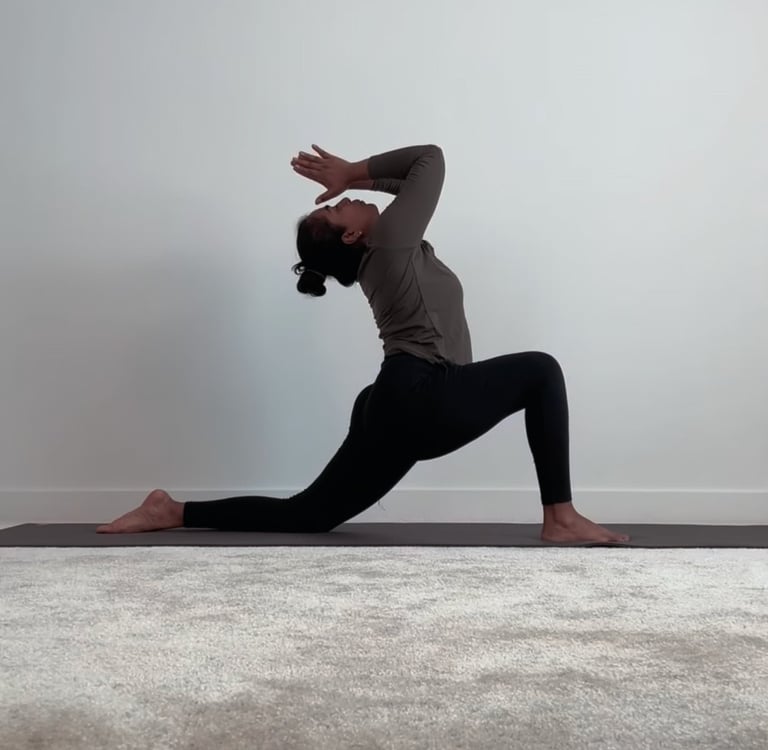
While many associate yoga with physical postures, Hatha Yoga extends far beyond movement. It includes breath regulation, nervous system balance, meditative awareness, and inner discipline. The physical body becomes a gateway — preparing the practitioner for deeper stillness and self-observation.
Steady and comfortable poses that strengthen the body and make long meditation possible.
Emphasis on alignment, stability, and inner awareness.
Asana
Core Elements of Hatha Yoga
Techniques to regulate the flow of prāṇa through the body
Includes inhalation, retention, and exhalation practices.
Pranayama
Internal cleansing practices that remove toxins and balance energy.
Includes Dhauti, Basti, Neti, Nauli, Trāṭaka, Kapālabhāti.
Shat Kriya
Energetic seals that control and direct energy upward.
Includes Mūla Bandha, Uḍḍiyāna Bandha, Jālandhara Bandha, Mahā Mudrā.
Bandhas & Mudras
The natural outcome of Hatha Yoga
A calm, steady mind arising from balanced body, breath, and energy.
Dhyana








In a world driven by speed and constant stimulation, Hatha Yoga offers a return to simplicity and balance. It helps build physical resilience, emotional steadiness, and a grounded state of mind — qualities that support both daily life and inner growth.
Why Hatha Yoga Matters Today
How Hatha Yoga Is Taught In My Classes
My classes draw from traditional Hatha principles — where practice is unhurried, breath-aware, and holistic. Sessions integrate asana, pranayama, relaxation, and meditative stillness, allowing students to experience yoga beyond physical exercise. The intention is to help practitioners build a sustainable, lifelong relationship with practice
“Hatha Yoga is the ladder to Rāja Yoga.”
— Hatha Yoga Pradipika
Experience Hatha Yoga Firsthand
Understanding yoga intellectually is one step — experiencing it through practice is where transformation begins.
Batch structure and enrollment details shared after inquiry. First class of every month is free.
What is Hatha Yoga?
A classical yogic path of balance, awareness, and inner steadiness
Hatha Yoga is a traditional yogic system designed to bring balance between body, breath, and mind. Rather than chasing flexibility or fitness alone, Hatha Yoga prepares the practitioner for inner stability, clarity, and deeper awareness.
The Meaning of “Ha” and “Tha”
In yogic philosophy, Ha represents the solar energy — activity, warmth, effort.
That represents the lunar energy — calmness, coolness, receptivity.
Hatha Yoga is the practice of balancing these opposing forces within us, creating steadiness in both body and mind.
The word Haṭha comes from Sanskrit:
Ha — Sun, representing active, outward energy (prāṇa)
Tha — Moon, representing receptive, inward energy (apāna)


What Hatha Yoga Is — and What It Is Not
A slow, intentional practice
Rooted in classical yogic texts
Breath-led movement
Focused on awareness and alignment
Designed to prepare the body for meditation
What Hatha Yoga Is
What Hatha Yoga Is Not
A fast-paced workout
A performance-based practice
About pushing or forcing the body
Only about physical flexibility
Posture-Centric



More Than Asana
While many associate yoga with physical postures, Hatha Yoga extends far beyond movement. It includes breath regulation, nervous system balance, meditative awareness, and inner discipline. The physical body becomes a gateway — preparing the practitioner for deeper stillness and self-observation.
Steady and comfortable poses that strengthen the body
Emphasis on alignment, stability, and inner awareness.
Shat Kriya
Core Elements Of Hatha Yoga
Techniques to regulate the flow of prāṇa through the body
Includes inhalation, retention, and exhalation practices.
Internal cleansing practices that remove toxins and balance energy.
Includes Dhauti, Basti, Neti, Nauli, Trāṭaka, Kapālabhāti.
Energetic seals that control and direct energy upward.
Mūla Bandha, Uḍḍiyāna Bandha, Jālandhara Bandha, Mahā Mudrā.
Bandhas & Mudras
The natural outcome of Hatha Yoga
A calm, steady mind arising from balanced body, breath, and energy.
Dhyana





Asana
Pranayama


In a world driven by speed and constant stimulation, Hatha Yoga offers a return to simplicity and balance. It helps build physical resilience, emotional steadiness, and a grounded state of mind — qualities that support both daily life and inner growth.
Why Hatha Yoga Matters Today
How Hatha Yoga Is Taught In My Classes
My classes draw from traditional Hatha principles — where practice is unhurried, breath-aware, and holistic. Sessions integrate asana, pranayama, relaxation, and meditative stillness, allowing students to experience yoga beyond physical exercise. The intention is to help practitioners build a sustainable, lifelong relationship with practice
“Hatha Yoga is the ladder to Rāja Yoga.”
— Hatha Yoga Pradipika
Experience Hatha Yoga Firsthand
Batch structure and enrollment details shared after inquiry. First class of every month is free.
© 2026 Vaidehi Yoga. All rights reserved.
Explore
Connect
Email: contact@vaidehiyoga.com

A traditional Hatha Yoga practice rooted in balance, breath, and inner presence - on and off the mat.
Policies